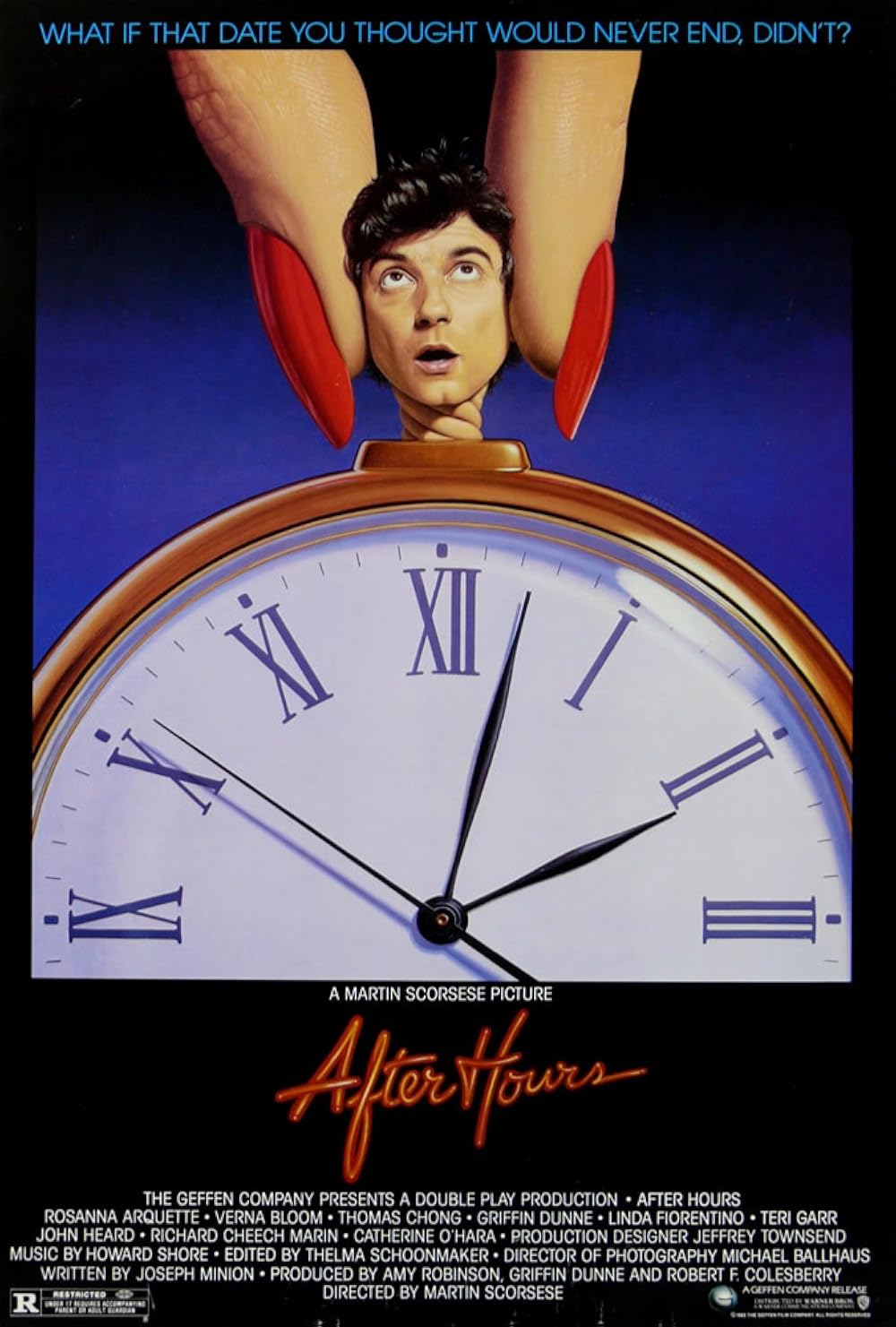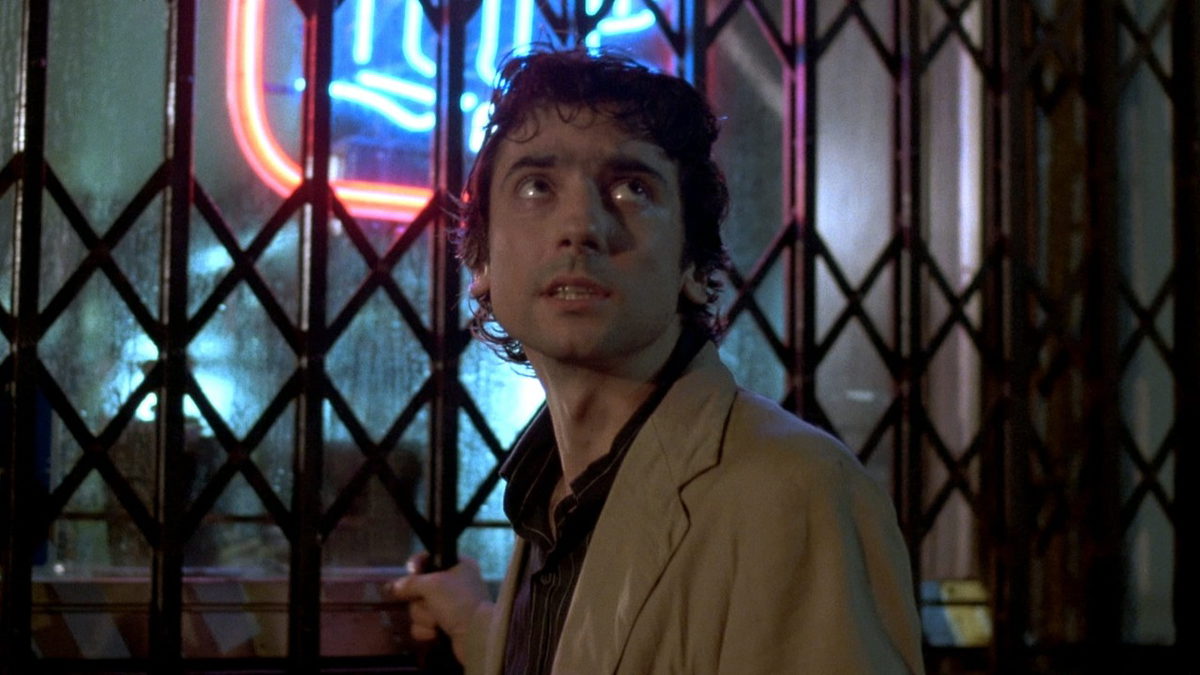
After Hours
When it's after midnight in New York City, you don't have to look for love, laughter, and trouble because they will all find you.
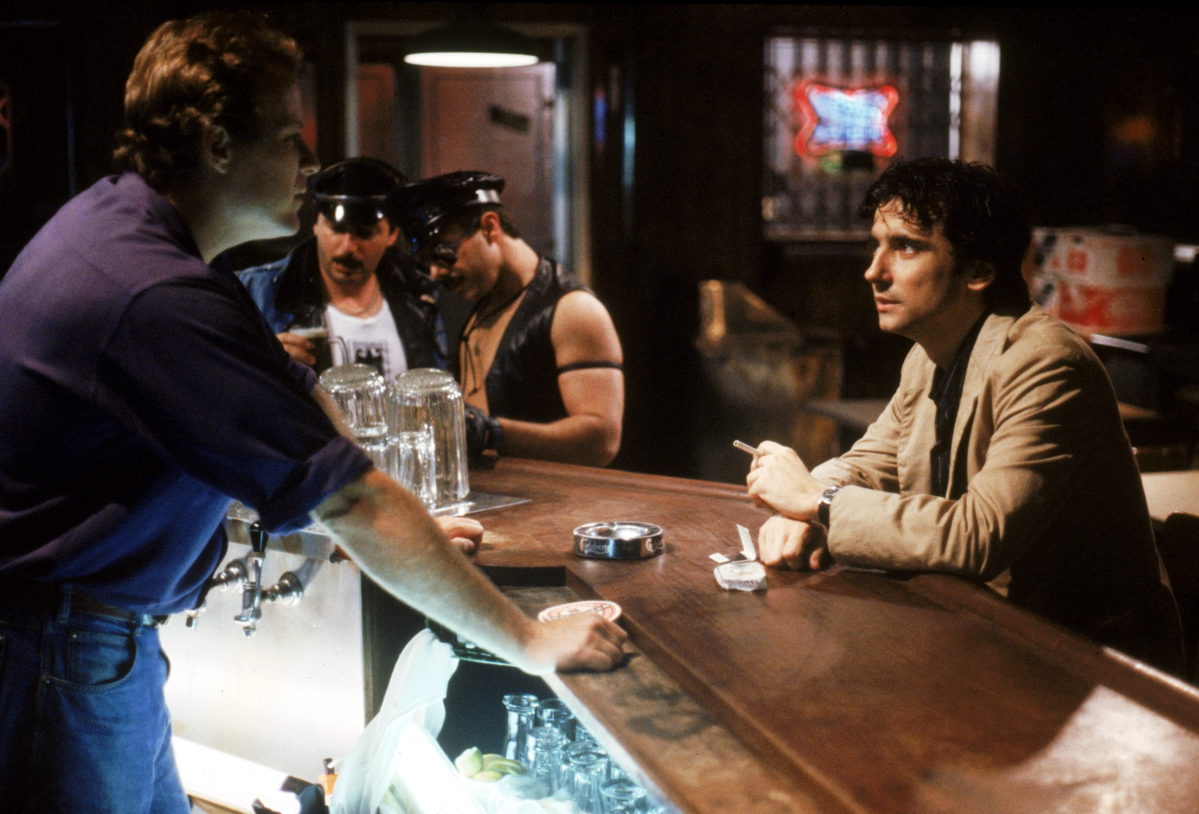
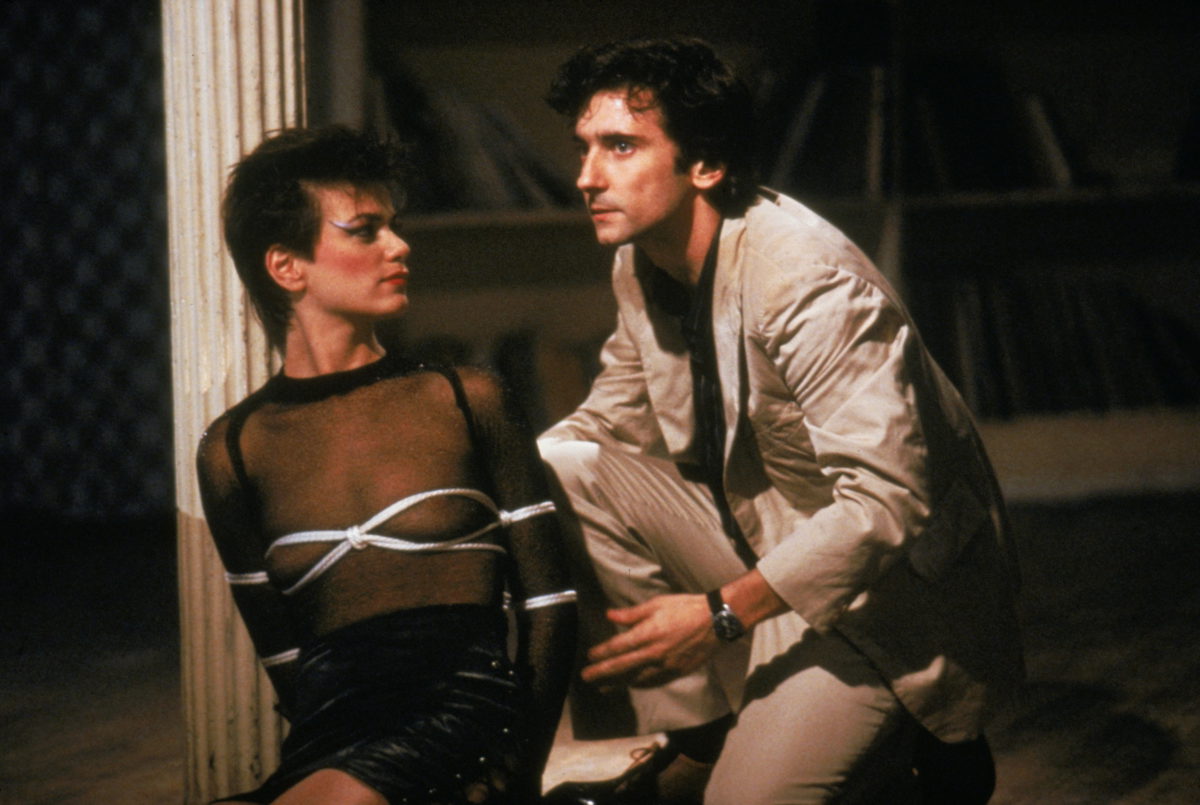
Mild-mannered office worker Paul is desperate to escape his monotonous routine and finds the perfect opportunity when he meets the charming yet delightfully eccentric Marcy in a diner. An impulsively hailed late-night taxi ride into the depths of SoHo reunites them, but getting back home becomes increasingly impossible due to a series of absurd circumstances – with every move only deepening his Kafkaesque nightmare.
Scorsese’s filmography is packed with masterpieces, which unfortunately has caused After Hours to often fade into the background. After Hours served as a breath of fresh air for Scorsese following his previous large-scale productions. The director wanted to prove to himself that he could still make a film at a brisk pace. As a result, After Hours is a relatively straightforward and accessible film, yet one that achieves wonders through its surreal, fairytale-like storytelling. Illuminated by streetlights, the rain-slicked streets are filled with equal parts beauty, suspense, and paranoia, offering the audience a chance to experience the full spectrum of emotions in just ninety minutes. There's time to both laugh and cry.
While it wasn't a massive box-office hit, it Scorsese earned the Best Director award at the Cannes Film Festival and has since gained a cult following among fans.